

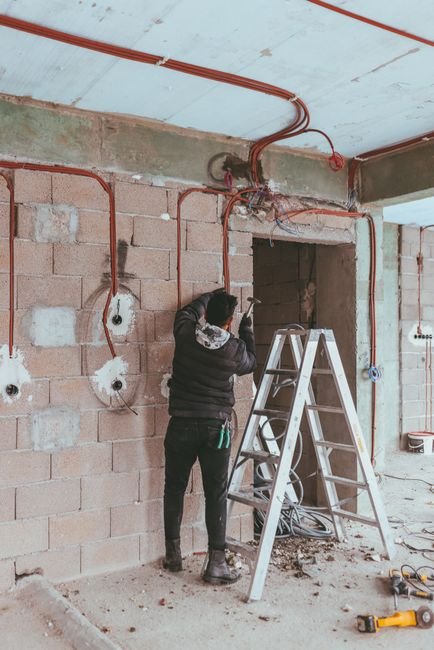
Home renovations can breathe new life into your living space, enhance your property’s value, and improve your quality of life. However, one critical aspect that often gets overlooked during the renovation process is ensuring that your home insurance policy remains adequate to cover the increased value of your property. Understanding how to keep your home insurance in sync with your upgrades is essential for protecting your investment and safeguarding your home against unforeseen events. In this blog post, we will explore strategies to ensure your home insurance policy reflects your renovation upgrades effectively.
Understanding the Importance of Updating Your Home Insurance
When you undertake significant renovations, whether it’s a kitchen remodel, adding a new room, or upgrading your roof, the value of your home likely increases. If your home insurance policy does not reflect this increased value, you risk being underinsured. In the event of a disaster, your insurance may not cover the full cost of repairs or replacement, leaving you with substantial out-of-pocket expenses. Therefore, maintaining updated coverage is crucial for protecting your financial well-being.
Types of Renovations That Affect Insurance
Not all renovations impact your home insurance equally. Here are some common types of upgrades that can significantly change your home’s value:
- Structural Changes: Adding or removing walls, constructing extensions, or creating open floor plans.
- High-Value Features: Installing luxury fixtures, high-end appliances, or custom cabinetry.
- Home Systems Updates: Upgrading plumbing, electrical systems, or HVAC systems.
- Landscaping Enhancements: Adding decks, patios, pools, or extensive landscaping.
Steps to Ensure Your Home Insurance Matches Your Renovations
1. Review Your Current Policy
The first step in ensuring your home insurance keeps pace with your renovations is to review your existing policy. Understand the coverage limits, deductibles, and what specific incidents are covered. This knowledge will help you identify areas where updates may be necessary. Pay close attention to the dwelling coverage limit, which should reflect your home’s rebuild cost and any new features you’ve added.
2. Document Your Renovations
Thorough documentation of your renovations is essential for updating your insurance. Take the following steps:
- Keep Receipts: Save all receipts for materials, labor, and any permits obtained during the renovation process.
- Take Before and After Photos: Document the changes visually to provide clear evidence of the upgrades.
- Get Professional Valuations: Consider hiring an appraiser to evaluate the worth of your upgraded home.
3. Contact Your Insurance Agent
Once you have all your documentation in order, reach out to your insurance agent. Discuss your renovations and provide them with the information you collected. Your agent can then help you assess whether your current policy meets your needs or if it requires adjustments. They can also inform you about any potential changes in premiums as a result of the upgrades.
4. Reassess Your Coverage Limits
After discussing with your agent, it’s crucial to reassess your coverage limits. Ensure that the dwelling coverage reflects the new value of your home after renovations. This might mean increasing your limits to cover new features and enhancements. Failure to do so could lead to significant financial loss in the event of a claim.
5. Consider Additional Coverage Options
With renovations, you may also want to consider additional coverage options that can protect your investment further:
- Extended Replacement Cost Coverage: This coverage will exceed your policy limit, providing extra funds to rebuild your home in the event of a total loss.
- Home Warranty: Consider adding a home warranty to cover repairs on new systems or appliances.
- Liability Coverage: Ensure your liability coverage is adequate, especially if your renovations include outdoor elements like pools or decks that can pose risks.
Conclusion
Ensuring that your home insurance keeps pace with your renovation upgrades is vital for protecting your investment. By reviewing your current policy, documenting renovations, contacting your insurance agent, reassessing coverage limits, and considering additional coverage options, you can safeguard your home effectively. Remember, neglecting to update your insurance can lead to significant financial repercussions in the event of damage or loss. Stay proactive, and ensure that your home insurance reflects the true value of your improved space.