

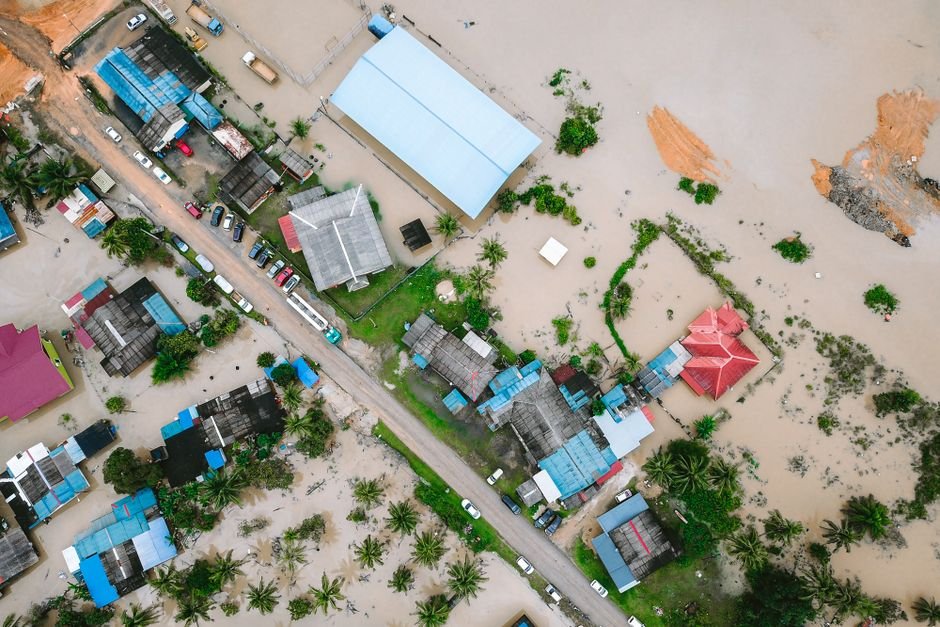
As the world continues to grapple with the escalating impacts of climate change, many industries are feeling the ripple effects, and home insurance is no exception. Recent climate events, from devastating hurricanes to unprecedented wildfires, are reshaping how insurance companies assess risk and set premiums. Homeowners are increasingly finding themselves in a landscape where understanding the nuances of their insurance policies is more crucial than ever. This blog post delves into how recent climate events are influencing home insurance policies and what homeowners need to consider to stay protected.
Understanding the Connection Between Climate Events and Insurance Policies
The relationship between climate events and home insurance policies is complex and multifaceted. Insurers rely on historical data to assess risks, but as climate events become more frequent and severe, traditional models are becoming outdated. This shift is prompting insurance companies to revise their policies, coverage options, and pricing structures.
Increased Risk Assessment
Insurance companies are now more focused on evaluating the risk of natural disasters in specific areas. Here are some key factors influencing risk assessment:
- Geographic Vulnerability: Areas prone to flooding, wildfires, or hurricanes are being reassessed for risk. Homes in these locations may see increased premiums or even difficulty obtaining coverage.
- Building Materials: The use of fire-resistant materials or flood-proof designs can reduce risk and potentially lead to lower premiums.
- Historical Data: Insurers are utilizing real-time data and predictive modeling to better understand risks associated with climate change, leading to more accurate pricing.
Impact on Premiums and Coverage Options
As insurers adapt to the changing climate landscape, homeowners are facing higher premiums and altered coverage options. Understanding these changes is vital for making informed decisions about home insurance.
Rising Premiums
In many cases, homeowners are experiencing significant increases in insurance premiums. Factors contributing to this rise include:
- Increased Claims: With more frequent and severe natural disasters, insurers are facing a higher volume of claims, which can lead to increased costs that are passed on to consumers.
- Reinsurance Costs: Insurers often purchase reinsurance to mitigate their risk. As the cost of reinsurance rises due to climate-related events, these costs are typically reflected in homeowners’ premiums.
- Market Adjustments: In high-risk areas, some insurers may choose to exit the market altogether, reducing competition and leading to higher prices.
Changes in Coverage Options
Homeowners may also notice changes in what is covered under their policies. Some trends include:
- Exclusions for Specific Events: Certain policies may now exclude coverage for damages incurred from natural disasters like floods or wildfires, requiring homeowners to seek specialized coverage.
- Increased Deductibles: Insurers might raise deductibles for specific risks, meaning homeowners will need to pay more out-of-pocket before coverage kicks in.
- Encouragement of Risk Mitigation: Some insurers are offering discounts for homeowners who implement risk-reduction measures, such as installing storm-resistant windows or firebreaks.
What Homeowners Can Do
With the evolving landscape of home insurance, homeowners need to take proactive steps to ensure their coverage aligns with their needs. Here are some strategies to consider:
- Review Your Policy Regularly: Stay informed about what your policy covers and any changes that may occur over time.
- Consider Additional Coverage: If you live in a high-risk area, explore supplemental policies for flood or earthquake insurance.
- Invest in Risk Mitigation: Enhancing your home’s resilience against natural disasters can not only protect your property but potentially lower your insurance premiums.
Conclusion
The increasing frequency and intensity of climate events are undeniably reshaping the home insurance landscape. Homeowners must navigate higher premiums, changing coverage options, and the need for comprehensive risk assessments. By staying informed and proactive, homeowners can better protect their investments and adapt to the realities of an ever-changing climate. As we move forward, understanding these dynamics will be crucial in ensuring adequate coverage and financial security in the face of climate challenges.