

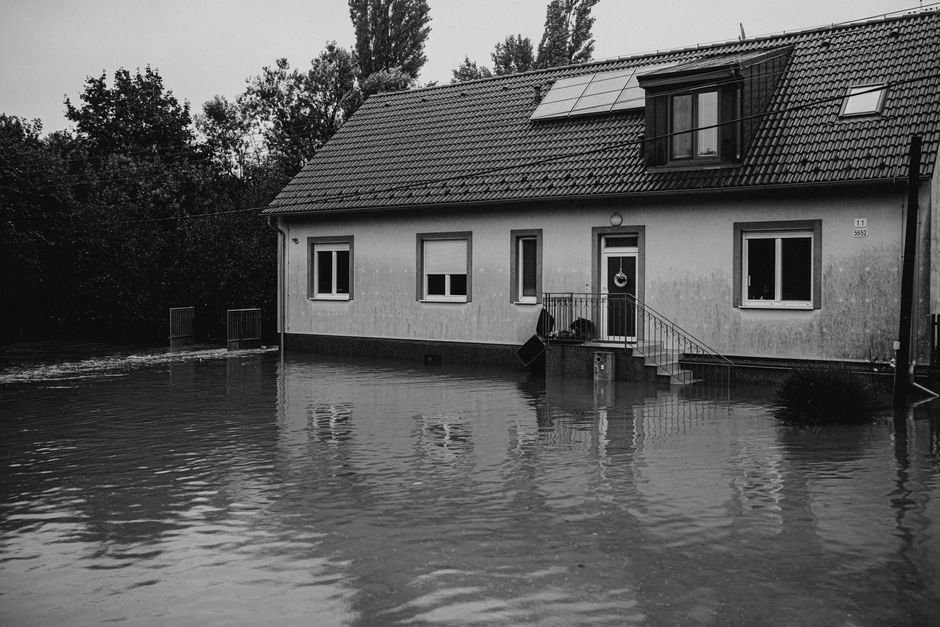
As we navigate through the complexities of climate change, the risk of natural disasters has evolved dramatically. Homeowners face an increasing array of threats, from wildfires and hurricanes to floods and earthquakes. Ensuring that your home insurance adequately covers these emerging risks is crucial for safeguarding your property and financial future. This comprehensive guide will provide you with essential strategies to ensure your home insurance policy is up-to-date and comprehensive in the face of evolving natural disaster risks.
Understanding Emerging Natural Disaster Risks
Today, the frequency and intensity of natural disasters are on the rise. The impacts of climate change are making once-rare events more common, leading to heightened risks for homeowners. Understanding these emerging risks is the first step in ensuring your insurance coverage is adequate. Some of the most pressing threats include:
- Increased flooding due to rising sea levels and heavy rainfall
- More intense hurricanes and tropical storms
- Wildfires fueled by hotter and drier conditions
- Severe storms leading to hail damage and tornadoes
- Earthquake risks in previously stable regions
Reviewing Your Current Home Insurance Policy
The first step in ensuring you are adequately covered against emerging natural disaster risks is to thoroughly review your current home insurance policy. Here are some key areas to focus on:
Coverage Types
- Dwelling Coverage: This covers the structure of your home. Ensure it includes protection against specific natural disasters pertinent to your area.
- Personal Property Coverage: This protects your belongings. Verify that valuable items are covered in case of disaster-related loss.
- Additional Living Expenses: This coverage is essential if you must temporarily relocate due to a disaster. Check the limits and conditions.
Exclusions and Limitations
Every insurance policy has exclusions. Carefully read through your policy to identify any natural disasters that may not be covered. Common exclusions include:
- Flooding, which often requires a separate flood insurance policy
- Earthquake damage, sometimes requiring additional coverage
- Wildfire damage, particularly in high-risk areas
Updating Your Coverage for Emerging Risks
Once you understand your current policy, it’s time to consider updating your coverage to address emerging risks. Here are some practical steps to take:
Consult with a Knowledgeable Insurance Agent
Engaging with an insurance agent who specializes in home insurance can provide insights into the latest trends in coverage. They can help you tailor your policy to meet your specific needs and risks based on your geographical location.
Consider Additional Coverage Options
- Flood Insurance: Since standard homeowners insurance often does not cover flooding, consider purchasing a separate flood policy, especially if you live in a flood-prone area.
- Earthquake Insurance: For those in seismically active regions, adding earthquake coverage can provide peace of mind.
- Wildfire Protection: In regions vulnerable to wildfires, look into endorsements or separate policies that offer additional coverage.
Implementing Mitigation Strategies
Insurance is only one part of disaster preparedness. Implementing mitigation strategies can reduce the likelihood and impact of natural disasters. Here are some effective strategies:
- Install storm shutters or impact-resistant windows to protect against hurricanes.
- Elevate your home or install sump pumps to prevent flooding.
- Clear brush and debris around your home to reduce wildfire risks.
- Strengthen your roof and foundation to withstand severe storms and earthquakes.
Staying Informed About Local Risks and Insurance Trends
Lastly, staying informed is key. Regularly monitor local weather patterns, fire risks, and other environmental changes that could impact your home. Additionally, keep abreast of changes in the insurance industry, as policies and coverage options frequently evolve. Many insurers now offer specialized policies that cater to the changing landscape of natural disasters.
Conclusion
In an era where natural disasters are increasingly common and severe, ensuring your home insurance adequately covers these emerging risks is more important than ever. By understanding your current policy, updating your coverage, and implementing risk mitigation strategies, you can protect your home and your financial future. Regularly consulting with insurance professionals and staying informed about local risks will further enhance your preparedness. In 2026 and beyond, proactive measures are your best defense against the uncertainties of nature.