

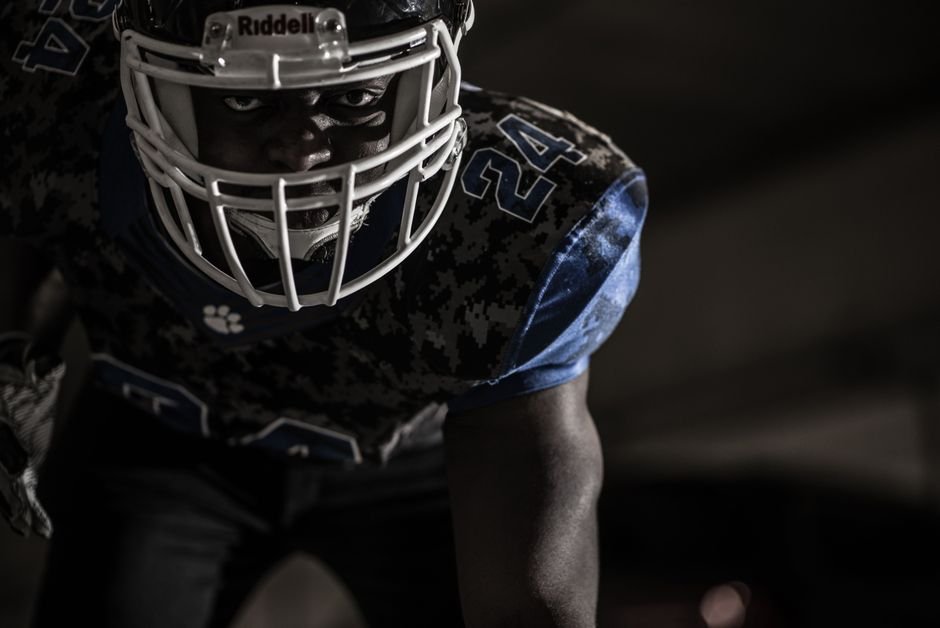
As awareness of sports-related concussions continues to rise, the demand for innovative solutions to prevent these injuries is more critical than ever. Concussions can have serious long-term effects on athletes, leading to increased attention from researchers, manufacturers, and sports organizations. In 2026, the landscape of headgear technology has evolved dramatically, introducing advanced materials, smart technology, and improved designs aimed at reducing the risk of concussions across various sports. This blog post delves into the latest innovations in headgear, highlighting how these advancements are shaping the future of concussion prevention in sports.
Advancements in Material Science
One of the most significant breakthroughs in headgear technology lies in the development of advanced materials that enhance protection without compromising comfort. Manufacturers are now utilizing lightweight, high-impact-resistant materials that can absorb and disperse force more effectively. Some key innovations in material science include:
- Expanded Polypropylene (EPP): This lightweight foam is known for its superior energy-absorbing properties, making it an excellent choice for helmets and headgear.
- Graphene: A revolutionary material that is incredibly strong and lightweight, graphene is being integrated into headgear to improve its protective capabilities while maintaining flexibility.
- Memory Foam: Used in padding, memory foam molds to the athlete’s head, providing a custom fit and enhancing comfort while maintaining shock absorption.
Smart Technology Integration
The integration of smart technology into headgear is transforming the way athletes and coaches monitor head impacts and manage concussion risks. In 2026, several innovative features are being implemented:
- Impact Sensors: Many modern helmets are equipped with sensors that can detect the force of impact. These sensors send real-time data to coaches and medical staff, allowing for immediate assessment and response.
- Data Analytics: Advanced algorithms analyze the impact data collected, providing insights into patterns and trends that can help in developing personalized training and safety protocols.
- Mobile Apps: Complementing smart helmets, mobile applications allow athletes to track their performance and head impact history, promoting awareness and proactive management of concussion risks.
Enhanced Design and Fit
Another critical aspect of concussion prevention is the design and fit of headgear. In 2026, manufacturers are focusing on creating helmets and headgear that offer better comfort and protection through improved design features:
- Customized Fitting Systems: Innovative fitting systems allow for adjustable sizes and shapes, ensuring that headgear fits securely and comfortably on individual athletes.
- Streamlined Aerodynamics: Modern designs prioritize aerodynamics, reducing drag and enhancing overall performance while maintaining robust protection against impacts.
- Multi-Sport Versatility: With the increase in cross-training and multi-sport participation, headgear is now being designed to cater to various sports, ensuring that athletes have the right protection regardless of the activity.
Collaborative Efforts in Research and Development
The future of concussion prevention in sports relies heavily on collaborative efforts between researchers, sports organizations, and manufacturers. In 2026, several initiatives focus on promoting safety through innovation:
- Partnerships with Universities: Sports equipment companies are teaming up with universities to conduct comprehensive research on the effectiveness of new headgear technologies.
- Funding for Safety Programs: Increased funding from government and private sectors is being allocated to develop and implement safety programs that educate athletes about concussion risks and prevention strategies.
- Continuous Testing and Feedback: Regular testing of headgear in real-world sports scenarios provides essential feedback that drives design improvements and enhances protective features.
Conclusion
As we progress through 2026, the innovations in headgear technology represent a significant step forward in the quest for safer sports environments. With advancements in material science, the integration of smart technology, improved design, and collaborative research efforts, the future of concussion prevention is promising. Athletes, coaches, and sports organizations must continue to embrace these innovations, ensuring that the safety of players remains a priority. By leveraging these advancements, we can help reduce the incidence of concussions and promote a healthier, safer sporting experience for everyone involved.