

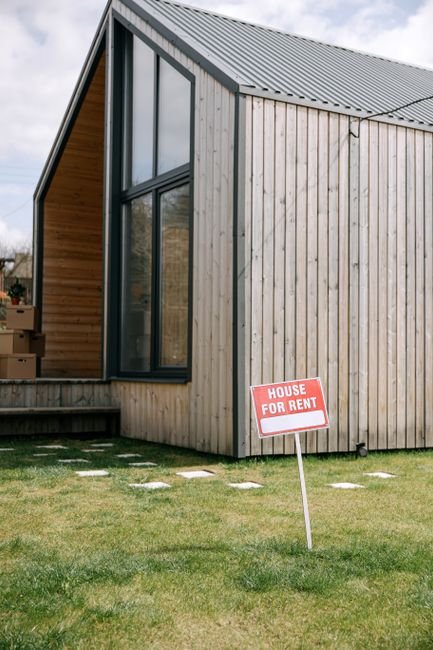
In today’s rapidly evolving real estate market, the practice of renting out properties has gained significant popularity among homeowners and investors alike. While the prospect of generating passive income is enticing, it is crucial to understand the importance of home insurance when renting out your property. Many landlords overlook this essential aspect, believing that their existing homeowner’s insurance policy will suffice. However, this misconception can lead to severe financial repercussions should an unforeseen event occur. In this blog post, we will explore the significance of home insurance for rental properties and the specific coverage options available to landlords.
Understanding Home Insurance for Rental Properties
Home insurance, also known as homeowner’s insurance, is designed to protect your property and personal belongings from various risks, including theft, fire, and natural disasters. However, when you decide to rent out your property, the dynamics of insurance change. Standard homeowner’s insurance policies typically do not cover rental activities, making it imperative for landlords to obtain specialized coverage tailored for rental properties.
Why You Need Specialized Coverage
When you rent out your property, you expose yourself to unique risks that are not covered under a standard homeowner’s policy. Here are some reasons why specialized home insurance is essential for landlords:
- Liability Protection: If a tenant or a visitor suffers an injury on your property, you could be held liable for medical expenses and legal fees. Specialized landlord insurance provides liability protection to safeguard you against such claims.
- Property Damage Coverage: Tenants may inadvertently cause damage to your property, whether through neglect or accidents. Having appropriate coverage ensures that you can repair or replace damaged property without incurring significant out-of-pocket expenses.
- Loss of Rental Income: If your property becomes uninhabitable due to a covered event, such as a fire or severe weather, you may lose rental income. Certain landlord insurance policies offer loss of rental income coverage, providing financial support during repairs.
Types of Coverage for Rental Properties
When considering home insurance for your rental property, it is essential to understand the various types of coverage available. Here are some key options to consider:
1. Dwelling Coverage
This type of coverage protects the physical structure of your rental property against hazards such as fire, vandalism, and certain natural disasters. It is vital to ensure that the dwelling coverage amount reflects the property’s current market value and replacement cost.
2. Liability Insurance
Liability insurance is crucial for landlords, as it protects you against legal claims resulting from injuries or damages that occur on your property. Coverage limits can vary, so it is advisable to assess your needs based on the potential risks associated with your rental property.
3. Contents Insurance
If your rental property comes furnished, contents insurance can provide coverage for personal belongings, such as furniture and appliances. This coverage protects against loss or damage due to theft or accidents, allowing you to maintain your property’s value.
4. Loss of Rent Coverage
This insurance can replace lost rental income if your property becomes uninhabitable due to a covered event. This feature is particularly valuable during extensive repairs, ensuring you don’t face financial strain while your property is being restored.
Choosing the Right Insurance Provider
Choosing the right insurance provider for your rental property is as crucial as selecting the right coverage. Here are some tips to help you make an informed decision:
- Research Multiple Quotes: Compare quotes from various insurance companies to find the best coverage options at competitive rates.
- Read Reviews: Look for customer reviews and testimonials to gauge the provider’s reliability and customer service.
- Consult an Insurance Agent: An experienced insurance agent can guide you through the complexities of landlord insurance, helping you find a policy that meets your specific needs.
Conclusion
In conclusion, obtaining home insurance is a critical step for anyone renting out their property. The risks associated with being a landlord necessitate specialized coverage to protect your investment and financial well-being. By understanding the unique challenges of rental properties and selecting the appropriate insurance options, you can ensure that you are adequately protected against potential liabilities and damages. As the rental market continues to evolve, staying informed and prepared is key to successful property management in 2026 and beyond.