

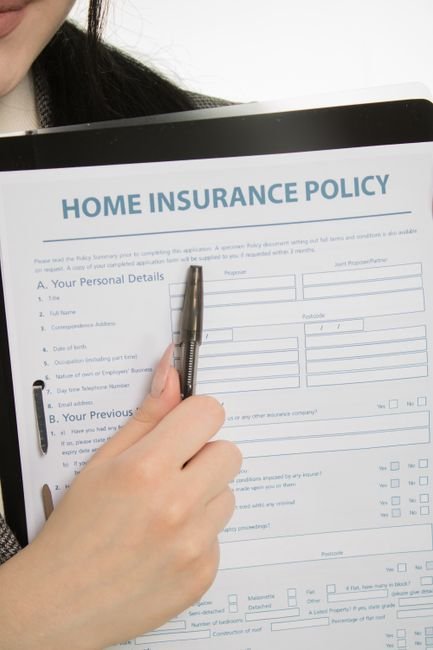
In an ever-evolving economic landscape, homeowners are facing a significant challenge: rising repair costs. With inflation impacting the prices of materials and labor, it’s essential to reassess and adapt your home insurance policy to ensure you are adequately covered. Whether you are a homeowner or a first-time buyer, understanding how to adjust your home insurance for these changing circumstances can save you from substantial out-of-pocket expenses in the future. In this blog post, we’ll explore practical steps to adapt your home insurance for rising repair costs, helping you secure peace of mind for your investment.
Understanding Rising Repair Costs
Repair costs have been on the rise due to various factors, including supply chain disruptions, increased demand for construction services, and the ongoing effects of inflation. As a homeowner, it’s crucial to be aware of how these factors can affect the value of your home and the costs associated with repairs. Here are a few key points to consider:
- Material Costs: Prices for essential building materials such as lumber, steel, and concrete have surged, impacting overall repair expenses.
- Labor Shortages: A shortage of skilled labor in the construction industry can lead to higher hourly rates for contractors, further inflating costs.
- Natural Disasters: Increased frequency and severity of natural disasters can lead to sudden spikes in repair costs, particularly in affected areas.
Steps to Adapt Your Home Insurance Policy
1. Review Your Current Coverage
The first step in adapting your home insurance for rising repair costs is to review your current policy. Take the time to understand the coverage limits, deductibles, and any exclusions that may apply. Consider the following:
- Assess whether your dwelling coverage limit is sufficient to cover the full cost of rebuilding your home based on today’s prices.
- Check if your personal property coverage adequately protects your belongings, especially if you have made significant purchases recently.
- Evaluate additional living expenses (ALE) coverage, which can assist with temporary housing costs if your home becomes uninhabitable.
2. Increase Your Coverage Limits
Given the rising costs of repairs, it may be necessary to increase your coverage limits. This ensures that your policy reflects the current market conditions. Here are some practical ways to adjust your limits:
- Consult with your insurance agent to determine the appropriate amount of dwelling coverage based on an updated assessment of your home’s replacement cost.
- Consider adding endorsements or riders for specific valuable items, such as jewelry or art, to ensure they are fully protected.
- Look into extended replacement cost coverage, which can provide extra protection in the event of significant increases in repair costs.
3. Consider Inflation Protection
Inflation protection is a critical component of your home insurance policy, especially in today’s economy. Many insurers offer inflation guard endorsements that automatically adjust your coverage limits based on inflation rates. Here’s what you need to know:
- Ensure your policy includes an inflation guard clause to keep pace with rising costs without needing to adjust your limits manually.
- Discuss with your insurer how often the adjustments will occur and at what rate they will increase your coverage.
- Monitor inflation trends and stay informed about how they may impact your home’s value over time.
4. Shop Around for Better Rates
As you consider adjustments to your home insurance policy, it’s always wise to shop around for the best rates. Different insurers may offer various options and discounts that can affect your premium. Here are some tips:
- Get quotes from multiple insurance companies to compare coverage options and costs.
- Ask about available discounts, such as bundling home and auto insurance or installing security systems.
- Evaluate the financial stability and customer service ratings of insurers to choose a reputable provider.
Conclusion
Adapting your home insurance for rising repair costs is not just a matter of financial prudence; it is an essential step towards protecting your most significant investment. By reviewing your current coverage, increasing limits, considering inflation protection, and shopping around for the best rates, you can ensure that you are well-prepared for any unforeseen expenses. As we move through 2026, staying proactive about your home insurance will provide peace of mind and safeguard your finances against the unpredictable nature of repair costs. Remember, a well-informed homeowner is a protected homeowner.