

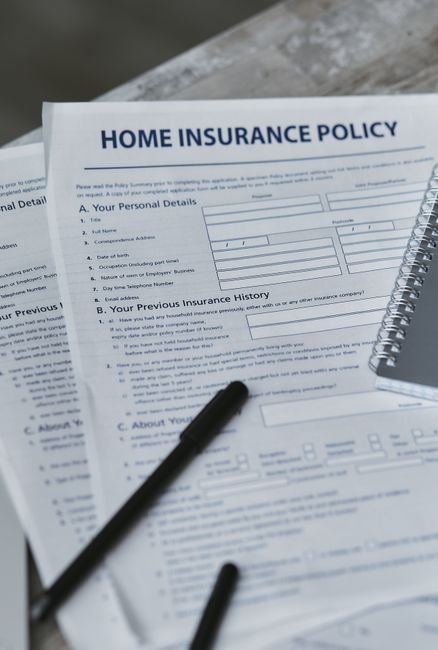
In the wake of the global pandemic, the landscape of home insurance has undergone significant changes, introducing new risks that homeowners must navigate. As we step into this new era, understanding these evolving challenges is crucial for securing the right coverage. Homeowners are now facing a host of factors that affect their insurance needs, from increased natural disasters to shifts in home ownership dynamics. In this blog post, we will explore the new risks associated with home insurance in a post-pandemic world and provide insights on how to effectively manage these challenges.
Understanding the New Risks
As we progress through 2026, several key factors have emerged that are reshaping the home insurance landscape. Understanding these risks is essential for homeowners looking to protect their investments.
Natural Disasters and Climate Change
One of the most pressing risks affecting home insurance is the increasing frequency and severity of natural disasters. Climate change has led to:
- More intense hurricanes and storms, resulting in significant property damage.
- Increased wildfires in areas previously considered low-risk, threatening homes and livelihoods.
- Flooding events becoming more common, particularly in urban areas where drainage systems are inadequate.
Homeowners are now more aware of the importance of comprehensive coverage that includes protection against these natural disasters. Insurers are adapting their policies to reflect these heightened risks, often resulting in increased premiums and stricter underwriting criteria.
Cybersecurity Threats
As homes become smarter and more connected, the risk of cyber threats has surged. Many homeowners now rely on smart devices for security, energy management, and convenience, which can expose them to various cybersecurity risks. Home insurance policies are beginning to address these vulnerabilities, leading to:
- Increased demand for coverage against data breaches and cyberattacks.
- Potential liability claims related to compromised home networks.
- Insurers offering specialized endorsements for smart home devices.
Changing Social Dynamics
The pandemic has also altered the way we live, work, and interact. With a significant rise in remote work and shifting family dynamics, the demand for home modifications has increased. This has implications for home insurance, including:
- Increased home office setups leading to higher replacement costs and potential liability risks.
- More multi-generational living arrangements requiring additional coverage considerations.
How to Navigate the New Risks
Now that we’ve identified the new risks associated with home insurance, it’s essential to explore how homeowners can effectively navigate these challenges to ensure adequate protection.
Review Your Coverage Regularly
In a rapidly changing world, it is vital to conduct regular reviews of your home insurance policy. Homeowners should:
- Assess the adequacy of their coverage limits in light of rising construction costs and potential natural disasters.
- Consider additional endorsements that cover specific risks, such as cyber liability or home office equipment.
Invest in Risk Mitigation Strategies
Taking proactive measures can significantly reduce exposure to risks. Homeowners can:
- Implement smart security systems to deter burglaries and improve safety.
- Invest in fire-resistant building materials if living in a wildfire-prone area.
- Enhance drainage systems and consider flood insurance if residing in flood-prone locations.
Consult with Insurance Professionals
Working with an insurance agent who understands the current landscape can provide invaluable insights. An experienced professional can help homeowners:
- Navigate the complexities of new policies and endorsements.
- Identify gaps in coverage that need to be addressed.
- Stay informed about emerging risks and recommended solutions.
Conclusion
Navigating the new risks of home insurance in a post-pandemic world requires vigilance and adaptability. As homeowners face an evolving landscape filled with challenges such as climate change, cybersecurity threats, and changing social dynamics, understanding how to manage these risks effectively is essential. By regularly reviewing insurance policies, investing in risk mitigation, and consulting with professionals, homeowners can ensure they are adequately protected in an increasingly uncertain environment. Taking proactive steps today will not only safeguard investments but also provide peace of mind for the future.