

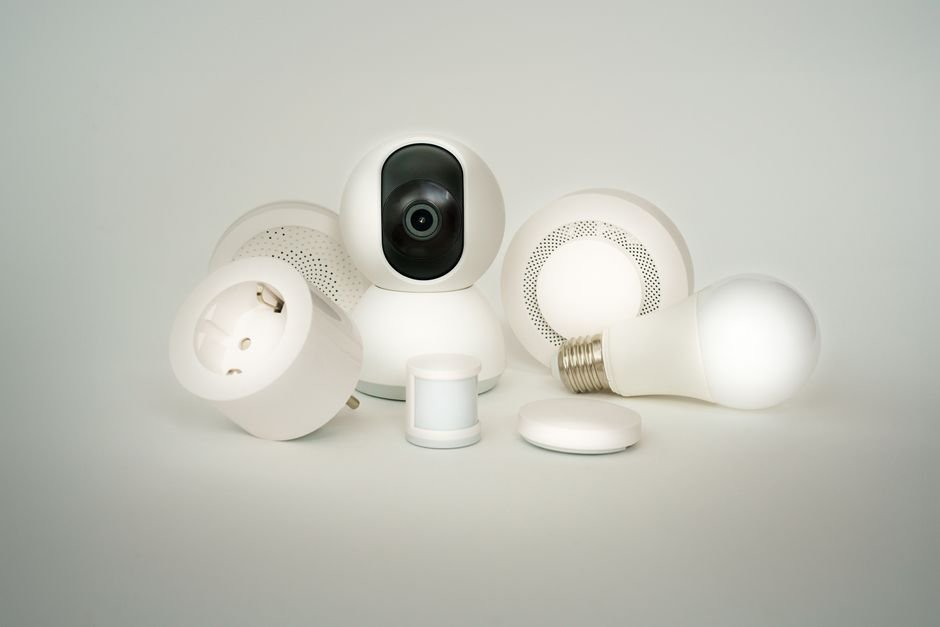
In today’s technologically advanced world, smart home devices have transitioned from being mere novelties to essential components of modern living. As homeowners increasingly embrace these innovations, they might not realize that their investment in smart technology can yield significant benefits beyond convenience and efficiency. One such advantage is the potential reduction in home insurance premiums. In this blog post, we will explore how smart home devices can help you save money on your home insurance and what specific technologies can make a difference.
Understanding Home Insurance Premiums
Home insurance premiums are determined by various factors, including the value of your home, its location, and the level of risk associated with it. Insurers evaluate these risks to determine the likelihood of a claim being filed. By implementing smart home devices, you can mitigate certain risks, ultimately persuading insurers to lower your premiums. Understanding this relationship is crucial for homeowners looking to optimize their insurance costs.
How Smart Home Devices Reduce Risks
Smart home devices enhance security, improve safety, and increase overall efficiency, which can significantly lower the risk associated with your property. Here are some ways these devices can contribute to lower insurance premiums:
Enhanced Security
Home security systems equipped with smart technology provide homeowners with real-time monitoring and alerts, reducing the likelihood of theft or vandalism. Insurers often reward policyholders who take proactive measures to safeguard their homes. Consider these security devices:
- Smart door locks
- Smart surveillance cameras
- Smart motion sensors
- Video doorbells
Fire and Carbon Monoxide Safety
Smart smoke detectors and carbon monoxide alarms can provide early warnings in case of fire or gas leaks, significantly reducing the damage that could potentially result. By having these devices installed, you demonstrate to your insurance provider that you are committed to maintaining a safe living environment. Key devices include:
- Smart smoke detectors
- Smart carbon monoxide detectors
- Automatic fire extinguishers
Water Damage Prevention
Water damage is a common claim that can lead to high insurance costs. Smart home technology can help prevent such incidents by monitoring water leaks and automatically shutting off the water supply. Some devices to consider include:
- Smart leak detectors
- Smart water shut-off valves
- Smart irrigation systems
How to Communicate Your Smart Home Features to Insurers
To take advantage of potential discounts on your home insurance premiums, it is essential to inform your insurance provider about the smart devices installed in your home. Here are some steps to ensure you receive the proper credit:
- Document your devices: Keep a record of all smart home devices you have installed, including receipts and warranties.
- Request a review: Contact your insurance agent and ask for a review of your policy based on the enhancements made to your home.
- Inquire about discounts: Ask your insurer if they offer specific discounts for homes equipped with smart technology.
Conclusion
In conclusion, the integration of smart home devices can not only enhance your living experience but also serve as a practical approach to reducing home insurance premiums. By investing in security, safety, and damage prevention technologies, you can show insurers that your home is less risky to insure. As we move further into 2026, the trend of smart home technology is only expected to grow, making it a wise decision for homeowners to adopt these innovations not just for convenience, but also for financial benefits. Don’t hesitate to explore your options and speak with your insurance provider about how smart home devices can lead to significant savings on your home insurance premiums.