

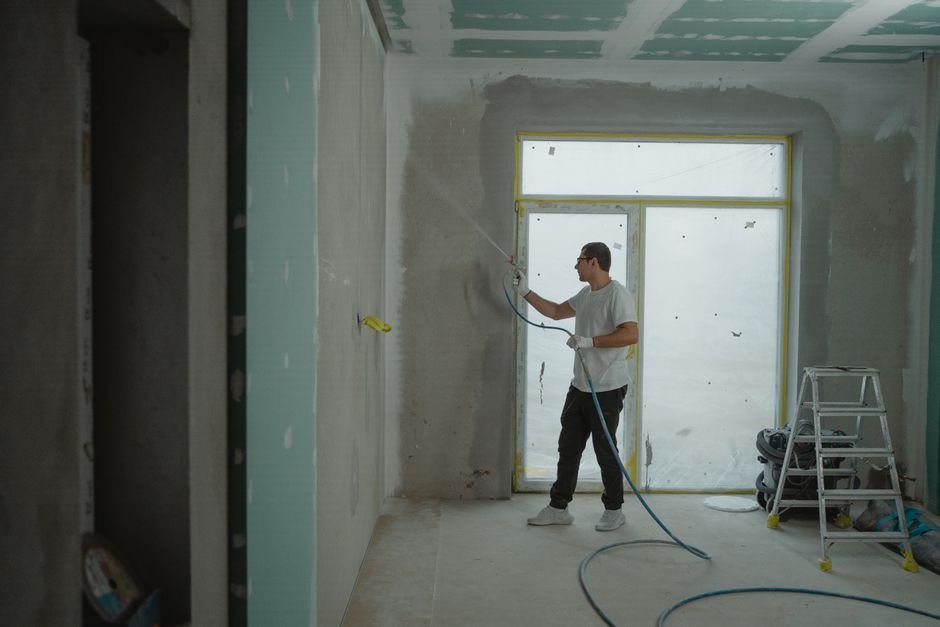
Homeowners often invest significant time and money in upgrading their properties, enhancing both functionality and aesthetic appeal. However, many may overlook the necessity of ensuring that their home insurance policy reflects these improvements. In 2026, with rising home values and evolving home trends, it is more important than ever to confirm that your home insurance adequately covers recent upgrades. This comprehensive guide will help you navigate the process of updating your home insurance to protect your investment effectively.
Understanding Home Insurance Basics
Home insurance is designed to protect homeowners from financial loss due to damage or theft. It typically covers the structure of your home, personal belongings, liability, and additional living expenses in case your home becomes uninhabitable. However, many policies have limits and exclusions that could leave you vulnerable if you don’t keep your coverage up to date.
Why Upgrades Matter
Upgrades can increase the value of your home and impact your insurance coverage. Whether you’ve renovated your kitchen, added a new bathroom, installed a swimming pool, or made energy-efficient upgrades, these improvements can significantly affect your property’s value. Failure to report these changes could mean you’re underinsured, leading to potential financial hardships in the event of a disaster.
Steps to Ensure Your Home Insurance Covers Recent Upgrades
1. Review Your Current Policy
Begin by thoroughly reviewing your existing home insurance policy. Pay close attention to the coverage amounts, exclusions, and any special endorsements that may apply to your property. Understanding the specifics of your policy will provide a foundation for any necessary adjustments.
2. Document Your Upgrades
Keep an accurate record of all upgrades made to your home, including:
- Receipts for materials and labor
- Before and after photos
- Contracts with contractors
Documentation is crucial not only for updating your insurance but also for potential future claims.
3. Contact Your Insurance Agent
Once you have a clear understanding of your current policy and documentation, reach out to your insurance agent. Inform them of the upgrades you have made and ask how these changes may affect your policy. Your agent can help you assess whether you need additional coverage or adjustments to ensure your home is adequately protected.
4. Consider Replacement Cost Coverage
Many standard policies offer actual cash value coverage, which only pays for the depreciated value of your home and belongings. By opting for replacement cost coverage, you can ensure that your insurance will cover the full cost of replacing your home and its contents in the event of a loss, which is especially important after making substantial upgrades.
5. Update Your Coverage Limits
As you upgrade your home, the value of your property likely increases. Therefore, it’s crucial to update your coverage limits accordingly. Failing to do so may result in being significantly underinsured. Your insurance agent can help you evaluate the appropriate amount based on your recent improvements.
6. Review Discounts and Additional Policies
Upgrades such as security systems, energy-efficient appliances, and other safety enhancements may qualify you for discounts on your home insurance premium. Discuss these potential savings with your insurer. Additionally, consider bundling your home insurance with other policies, such as auto insurance, to take advantage of further discounts.
Conclusion
In 2026, ensuring your home insurance covers recent upgrades is essential for safeguarding your investment. By reviewing your current policy, documenting improvements, consulting with your insurance agent, and adjusting coverage limits, you can enjoy peace of mind knowing that your home is adequately protected. Don’t wait until it’s too late; take action today to ensure your insurance reflects the true value of your home and its enhancements.