

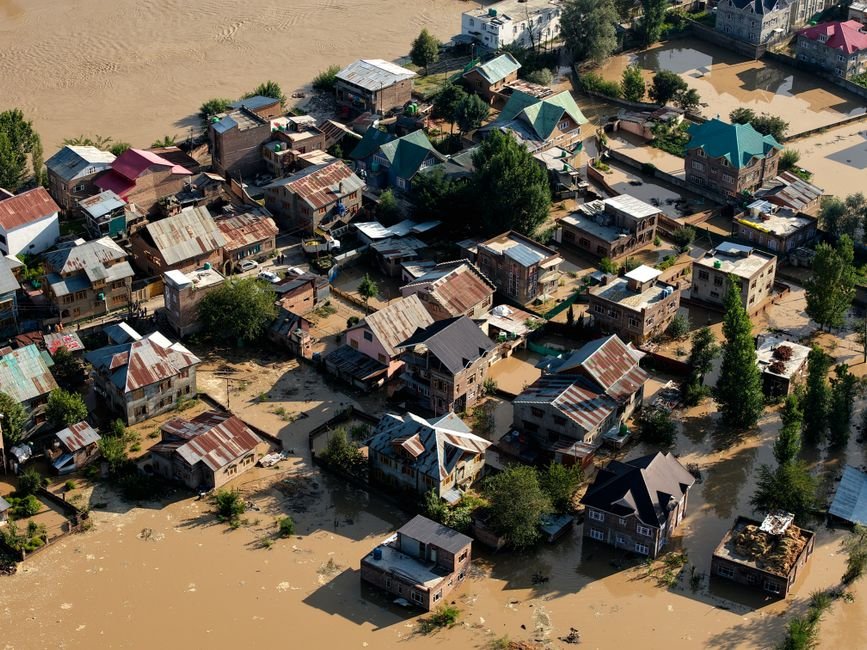
As we navigate through an era marked by increasingly unpredictable weather patterns and climate-related disasters, the importance of updated home insurance policies cannot be overstated. Homeowners are continually faced with an array of risks, from floods and wildfires to hurricanes and tornadoes. In 2026, addressing these climate risks through comprehensive home insurance coverage is more critical than ever. This blog post explores the significance of regularly updating home insurance policies to reflect current climate risks and provides actionable insights for homeowners.
Understanding Climate Risks in 2026
Climate change has intensified the frequency and severity of natural disasters. In 2026, homeowners must understand the specific risks their properties face based on geographical location and climate projections. These risks can severely impact property value, safety, and financial stability.
Common Climate Risks Affecting Homeowners
Several climate-related risks are prevalent across various regions, including:
- Flooding: Rising sea levels and increased rainfall have made flooding a critical concern for many homeowners, particularly in low-lying areas.
- Wildfires: Areas prone to dry conditions face a heightened risk of wildfires, which can devastate homes and surrounding landscapes.
- Hurricanes: Coastal regions must prepare for more powerful hurricanes, with stronger winds and heavier rainfall leading to significant damage.
- Tornadoes: Tornado activity has shifted in various parts of the country, necessitating a review of coverage for those in newly vulnerable areas.
The Importance of Regularly Updating Home Insurance Policies
Maintaining an updated home insurance policy is essential for homeowners, especially in light of the changing climate. Here are several reasons why regular updates are crucial:
1. Accurate Coverage for Current Risks
As climate risks evolve, so too should your insurance coverage. An outdated policy may not cover new environmental threats or the full extent of potential damages. Regularly reviewing and updating your policy ensures you have adequate coverage for the specific risks faced in your area.
2. Adjusting to Property Value Changes
Home values fluctuate due to market conditions and improvements made to the property. An updated insurance policy reflects the current market value, ensuring you are not underinsured in case of a disaster. This adjustment can save homeowners from significant financial loss.
3. Inclusion of New Coverage Options
The insurance industry is continually adapting to emerging risks and technologies. In 2026, homeowners may find new coverage options tailored to climate risks, including:
- Flood insurance for areas previously deemed low-risk.
- Coverage for additional living expenses if your home becomes uninhabitable due to a natural disaster.
- Protection against service interruptions caused by severe weather conditions.
Steps to Update Your Home Insurance Policy
Updating your home insurance policy does not have to be a daunting task. Follow these steps to ensure your coverage is adequate and relevant:
1. Conduct a Risk Assessment
Begin by evaluating the specific climate risks in your area. Consult local news, and government forecasts, and consider recent weather patterns to identify vulnerabilities. This assessment will guide your discussions with insurance agents.
2. Review Current Policy
Take a close look at your existing policy. Identify any gaps in coverage, especially concerning recent natural disasters in your region. Pay attention to exclusions that may limit your benefits during a climate event.
3. Consult with Insurance Professionals
Reach out to your insurance agent or a professional broker who specializes in home insurance. Discuss your findings from the risk assessment and policy review to determine the best course of action. They can help you navigate changes and find suitable coverage options.
4. Compare Options
Don’t settle for the first policy you encounter. Shop around to compare different insurance providers and their offerings. Look for companies that have a good track record of handling claims related to climate events.
Conclusion
In 2026, the importance of maintaining an updated home insurance policy that accounts for climate risks cannot be overlooked. As homeowners face increasingly severe weather patterns and natural disasters, adapting insurance coverage to reflect current realities is essential for financial security and peace of mind. By understanding the specific risks, regularly reviewing policies, and consulting with insurance professionals, homeowners can ensure that they are adequately protected against the uncertainties of our changing climate. Taking these proactive steps today can safeguard your home and your future.