

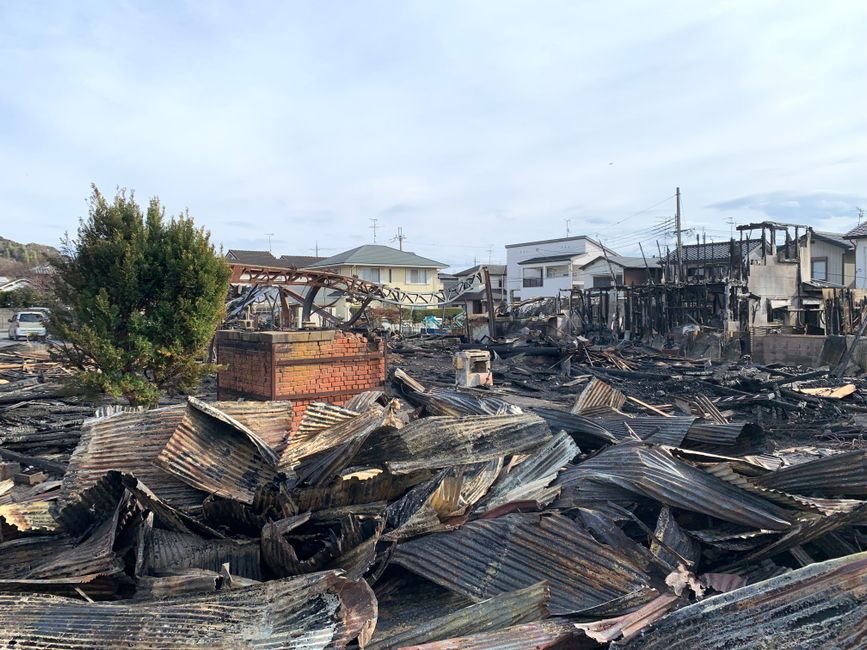
Natural disasters can strike unexpectedly, leaving homeowners facing devastating losses. As climate change continues to impact weather patterns, the frequency and intensity of natural disasters—such as hurricanes, floods, and wildfires—are on the rise. This reality makes it crucial for homeowners to understand how their home insurance policies address these risks. In this comprehensive guide, we will explore the intricacies of navigating coverage for natural disasters in home insurance to help you make informed decisions regarding your home and financial safety.
Understanding Home Insurance Basics
Home insurance is designed to provide financial protection against various risks, including property damage and liability claims. However, not all events are covered under standard home insurance policies. Understanding what is included and excluded can help you avoid unwelcome surprises when disaster strikes. Here are the fundamental components of home insurance:
- Dwelling Coverage: This protects the structure of your home against damages caused by covered perils.
- Personal Property Coverage: This covers your belongings, such as furniture and electronics, in case of damage or theft.
- Liability Coverage: This protects you from legal claims resulting from injuries or damages that occur on your property.
Types of Natural Disasters and Coverage Options
Homeowners must recognize that standard policies often do not cover certain natural disasters. Thus, understanding specific coverage options is essential. Here are some common natural disasters and how home insurance can respond:
Floods
Flood damage is typically not covered under standard home insurance policies. Homeowners in flood-prone areas should consider purchasing separate flood insurance through the National Flood Insurance Program (NFIP) or private insurers. Keep in mind:
- Flood insurance typically covers the structure and contents of your home.
- There is usually a 30-day waiting period before the coverage becomes effective.
Hurricanes and Windstorms
Many home insurance policies do cover hurricane damage, but homeowners in high-risk areas may face higher premiums or specific exclusions. It’s essential to review your policy details and consider additional coverage for windstorms. Here are some tips:
- Check if your policy has a hurricane deductible, which may be higher than your standard property deductible.
- Consider a windstorm endorsement if it’s not already included in your policy.
Wildfires
In regions prone to wildfires, home insurance policies generally cover damages, but homeowners may encounter challenges with coverage limits. Here’s what to keep in mind:
- Ensure your policy limits align with the current market value of your home and belongings, as rebuilding costs can rise after a disaster.
- Consider additional coverage options for personal property, especially if you own valuable items.
Tips for Navigating Coverage for Natural Disasters
To ensure you have adequate protection against natural disasters, consider the following tips:
- Assess Your Risks: Evaluate your home’s vulnerability to specific disasters based on its location and construction.
- Review Your Policy Annually: Make it a habit to review your coverage every year, especially as your home value and local risks change.
- Consult with an Insurance Agent: An experienced agent can help you understand your options and tailor your coverage to suit your needs.
- Stay Informed on Local Hazards: Keep up with local weather forecasts and disaster preparedness resources.
Conclusion
Navigating coverage for natural disasters in home insurance can be complex, but understanding your options and being proactive can mitigate risks. With the increasing prevalence of natural disasters in 2026, it is vital for homeowners to ensure they have the right coverage to protect their homes and belongings. By reviewing your policy, considering additional coverage options, and staying informed about potential risks, you can safeguard your property and gain peace of mind in the face of unexpected challenges. Remember, investing time in understanding your insurance can save you significant financial stress in the long run.