

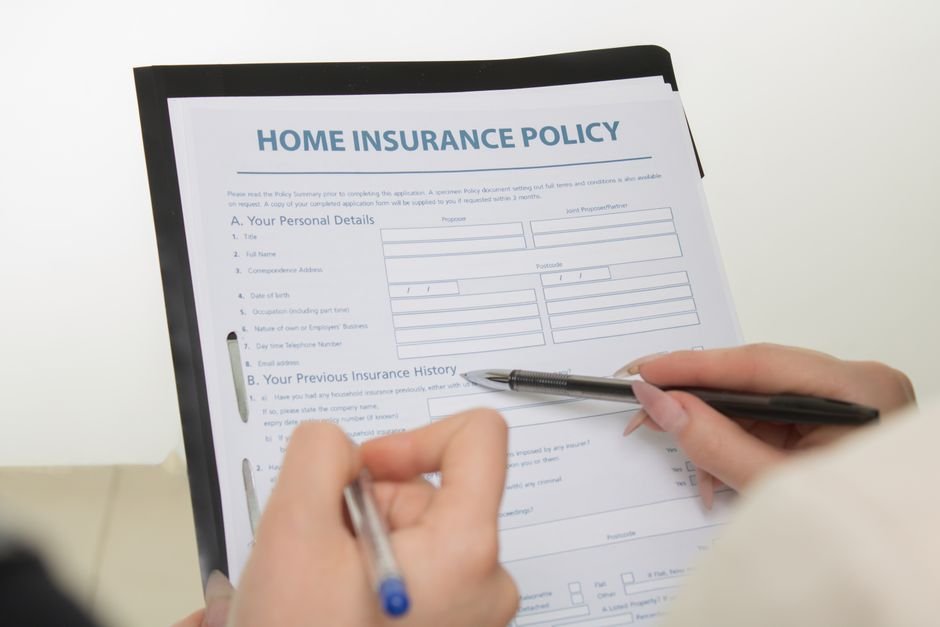
In today’s unpredictable world, securing your home with the right insurance policy is more crucial than ever. Home insurance not only provides financial protection against potential damage but also offers peace of mind for homeowners. However, with a plethora of options available, selecting the most suitable home insurance policy can be a daunting task. This blog post will guide you through essential tips for choosing the right home insurance policy, ensuring you make an informed decision that meets your unique needs.
Understand Your Coverage Needs
The first step in selecting a home insurance policy is to assess your coverage needs. Different policies offer varying levels of protection, and understanding what you require will help narrow down your options. Consider the following factors:
- Type of Property: Are you insuring a single-family home, condo, or rental property? Different properties have different insurance requirements.
- Home Value: Determine how much it would cost to rebuild your home in case of a total loss. This amount should be the basis for your dwelling coverage.
- Personal Belongings: Create an inventory of your valuables. This will help you decide how much personal property coverage you need.
Familiarize Yourself with Policy Types
Home insurance policies come in various forms, each providing different levels of coverage. Familiarizing yourself with these types can help you make an informed choice:
- HO-1 (Basic Form): This is a basic policy that covers specific perils like fire and theft, but may not cover everything you need.
- HO-2 (Broad Form): A more comprehensive option, this policy includes coverage for more perils than HO-1.
- HO-3 (Special Form): This is the most common type of home insurance, covering your home against all perils except those specifically excluded.
- HO-4 (Renters Insurance): Designed for renters, this policy covers personal belongings but not the structure itself.
- HO-5 (Comprehensive Form): This offers the highest level of coverage, protecting personal property on an open perils basis.
Compare Insurance Providers
Once you have a clear understanding of your coverage needs and policy types, the next step is to compare different insurance providers. Not all companies offer the same rates, coverage options, or customer service. Here’s how to effectively compare:
- Get Multiple Quotes: Request quotes from at least three to five different insurers to find the best rate.
- Read Reviews: Check online reviews and ratings to gauge customer satisfaction and the company’s claims process.
- Ask About Discounts: Inquire about available discounts for bundling policies, having security systems, or being a loyal customer.
Evaluate Policy Exclusions and Limitations
Understanding the exclusions and limitations of a policy is crucial. Some policies may not cover specific natural disasters or may have limits on certain items. Here’s what to look out for:
- Natural Disasters: Many standard policies do not cover floods, earthquakes, or other natural disasters. You may need additional coverage for these.
- High-Value Items: Items like jewelry, art, and collectibles may have coverage limits. Consider extra riders for additional protection.
- Liability Coverage: Ensure your policy has adequate liability coverage in case of accidents on your property.
Consult an Insurance Agent
Finally, consider consulting an insurance agent or broker. These professionals can provide personalized advice based on your unique situation and help you navigate the complexities of home insurance. They can also assist with understanding policy language and ensuring you have the right coverage for your needs.
Conclusion
Choosing the right home insurance policy is a significant decision that requires careful consideration and research. By understanding your coverage needs, familiarizing yourself with different policy types, comparing providers, evaluating exclusions, and consulting with an insurance agent, you can make an informed choice. Remember, the right policy not only protects your home and belongings but also provides peace of mind knowing you are financially secure against unforeseen events. Don’t rush the process; take your time to find the policy that best fits your requirements and budget.