

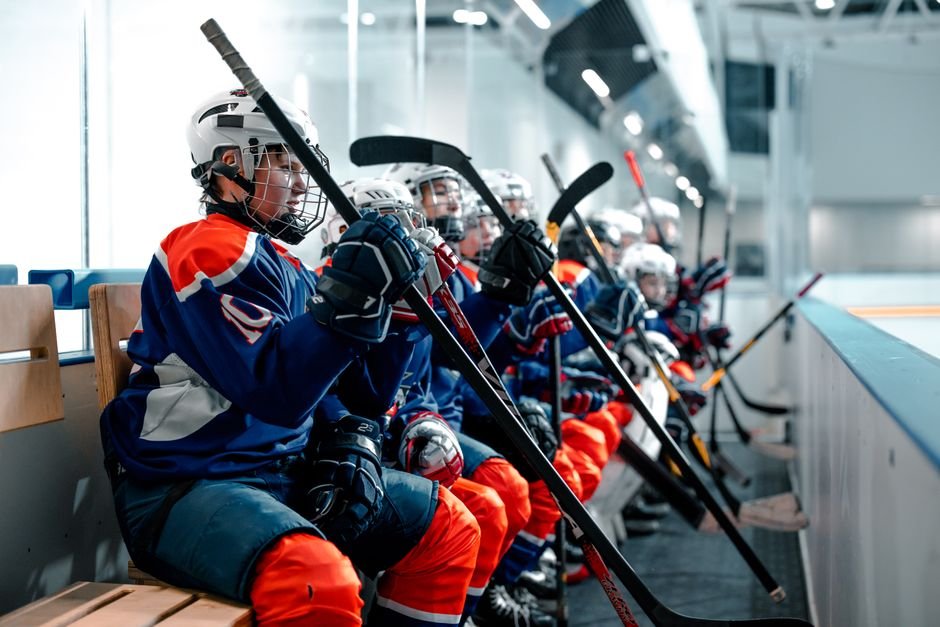
In recent years, there has been a growing awareness of the importance of safety in youth sports organizations. As participation rates soar, so too does the need for comprehensive guidelines aimed at protecting young athletes from injury and ensuring a positive sporting experience. In light of this, new guidelines have been introduced to enhance safety protocols across youth sports organizations, focusing on training, equipment, emergency preparedness, and mental health support.
Importance of Safety in Youth Sports
Youth sports are not just a way for children to stay active; they also play a crucial role in developing life skills such as teamwork, discipline, and resilience. However, the risk of injuries—both physical and psychological—can overshadow these benefits. According to recent studies, injuries in youth sports can lead to long-term health issues and can deter participation. Therefore, it is vital for sports organizations to adopt robust safety measures that prioritize the well-being of young athletes.
New Safety Guidelines Overview
The following sections will outline the new guidelines that youth sports organizations should adopt to enhance safety and ensure a positive environment for all participants.
Training and Certification for Coaches
One of the cornerstones of youth sports safety is the training of coaches. The new guidelines emphasize the need for all coaches to undergo rigorous training and certification programs that cover:
- Injury prevention techniques and first aid
- Understanding developmental stages and age-appropriate practices
- Recognizing signs of mental health issues
- Effective communication with young athletes and their parents
Coaches who are well-trained can help create a safer and more supportive environment for youth athletes, ultimately enhancing their overall experience in sports.
Equipment Standards and Maintenance
Another critical aspect of safety in youth sports is the quality and maintenance of equipment. Organizations should adhere to the following guidelines:
- Regular inspection and maintenance of all sports equipment
- Ensuring that equipment meets current safety standards set by relevant sports authorities
- Providing appropriate protective gear for each sport, such as helmets, pads, and mouthguards
Properly maintained equipment can significantly reduce the risk of injuries, allowing young athletes to focus on their performance rather than their safety.
Emergency Preparedness Plans
Every youth sports organization must have an emergency preparedness plan. This plan should include:
- Clear procedures for responding to injuries during practice and games
- Access to first aid kits and trained personnel on-site during events
- Emergency contact information for parents and guardians
Having a well-structured emergency plan can save lives and ensure that athletes receive prompt medical attention when needed.
Mental Health Support
The mental well-being of young athletes is just as important as their physical safety. Recent guidelines highlight the necessity of integrating mental health resources within youth sports organizations. This includes:
- Providing access to mental health professionals who specialize in sports psychology
- Creating a culture where athletes feel comfortable discussing mental health issues
- Implementing programs to educate coaches, parents, and athletes about the importance of mental health
By prioritizing mental health, organizations can help prevent burnout, anxiety, and other psychological issues that may arise in competitive sports.
Conclusion
As we move forward, it is essential for youth sports organizations to adopt these new safety guidelines to foster a secure and supportive environment for young athletes. By focusing on comprehensive coach training, maintaining equipment standards, preparing for emergencies, and promoting mental health, we can ensure that youth sports remain a positive and enriching experience. Ultimately, the goal is to allow young athletes to enjoy the myriad benefits of sports while minimizing the risks associated with participation. By taking these steps, we can help cultivate a generation of athletes who are not only skilled but also safe and supported in their sporting endeavors.