

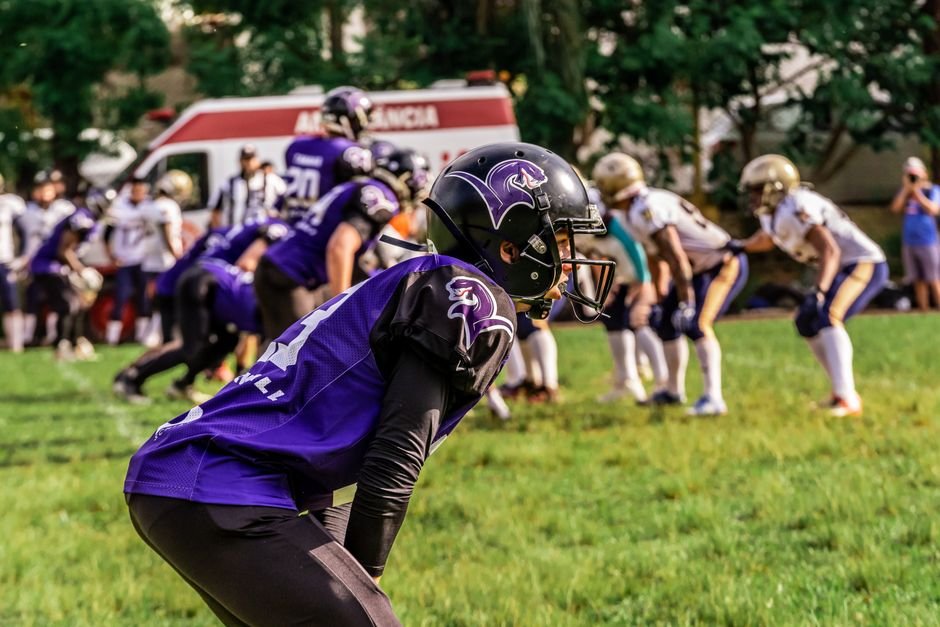
In recent years, the conversation around youth sports safety has gained significant traction, particularly in light of increasing awareness surrounding injuries and long-term health implications. As we navigate through 2026, new regulations have emerged with the primary aim of enhancing safety measures in youth sports. Evaluating the impact of these regulations is crucial for understanding how they influence the well-being of young athletes and the overall culture of youth sports.
Understanding the New Regulations
The new regulations introduced in 2026 focus on several key areas that directly affect youth sports. These include concussion protocols, equipment standards, coaching certifications, and parental involvement. Each of these aspects plays a critical role in safeguarding young athletes against potential risks associated with sports participation.
Concussion Protocols
One of the most significant areas of focus has been the implementation of stringent concussion protocols. In 2026, many states have adopted mandatory guidelines that require immediate evaluation and clearance by a medical professional before a young athlete can return to play after a suspected concussion. This regulation is designed to minimize the risk of further injury and promote a culture of safety among coaches, parents, and players.
Equipment Standards
Another notable regulation involves the enhancement of equipment standards. Organizations are now required to ensure that all protective gear, including helmets and pads, meets updated safety specifications. This initiative aims to reduce the incidence of injuries caused by inadequate or faulty equipment, thereby fostering a safer environment for young athletes.
Coaching Certifications
In an effort to improve the quality of coaching and ensure the safety of athletes, many states have mandated that coaches obtain specific certifications related to youth sports safety. This includes training on injury prevention, emergency response, and recognizing the signs of physical distress in athletes. By elevating the standards for coaching, the regulations aim to create a more knowledgeable and responsible coaching workforce.
Parental Involvement
Lastly, new regulations have emphasized the importance of parental involvement in youth sports. Parents are now encouraged to participate in workshops and informational sessions that educate them about safety practices. This initiative aims to foster a community approach to sports safety, where parents, coaches, and organizations work together to prioritize the health and well-being of young athletes.
Impact of the Regulations
The introduction of these regulations has had a profound impact on youth sports safety. Various studies and reports indicate a notable decline in injury rates among young athletes, particularly regarding concussions. The increased awareness and education surrounding sports injuries have empowered coaches and parents to prioritize safety in practices and games.
- Enhanced awareness of concussion symptoms has led to quicker reporting and treatment.
- Improved equipment standards have resulted in fewer injuries related to faulty gear.
- Coaching certifications have increased the knowledge base of coaches, leading to safer practices.
- Parental involvement has created a supportive environment where everyone is vigilant about safety.
Challenges and Areas for Improvement
While the new regulations have led to positive outcomes, challenges remain in their implementation and adherence. Some organizations lack the resources to fully comply with the updated standards, which can lead to inconsistencies in safety practices. Additionally, there is a need for ongoing education and training to ensure that all stakeholders remain informed about best practices in youth sports safety.
Another area for improvement is the need for more comprehensive data collection regarding injuries in youth sports. By establishing a centralized database of injury reports, organizations can better analyze trends, identify high-risk sports, and develop targeted interventions to further enhance safety.
Conclusion
As we move forward in 2026, the evaluation of new regulations on youth sports safety reveals a promising shift towards a more safety-conscious environment for young athletes. While significant progress has been made, it is essential for organizations, coaches, parents, and communities to remain vigilant and committed to improving safety standards continually. By working together, we can ensure that youth sports remain a positive and healthy experience for all young athletes, allowing them to thrive both on and off the field.