

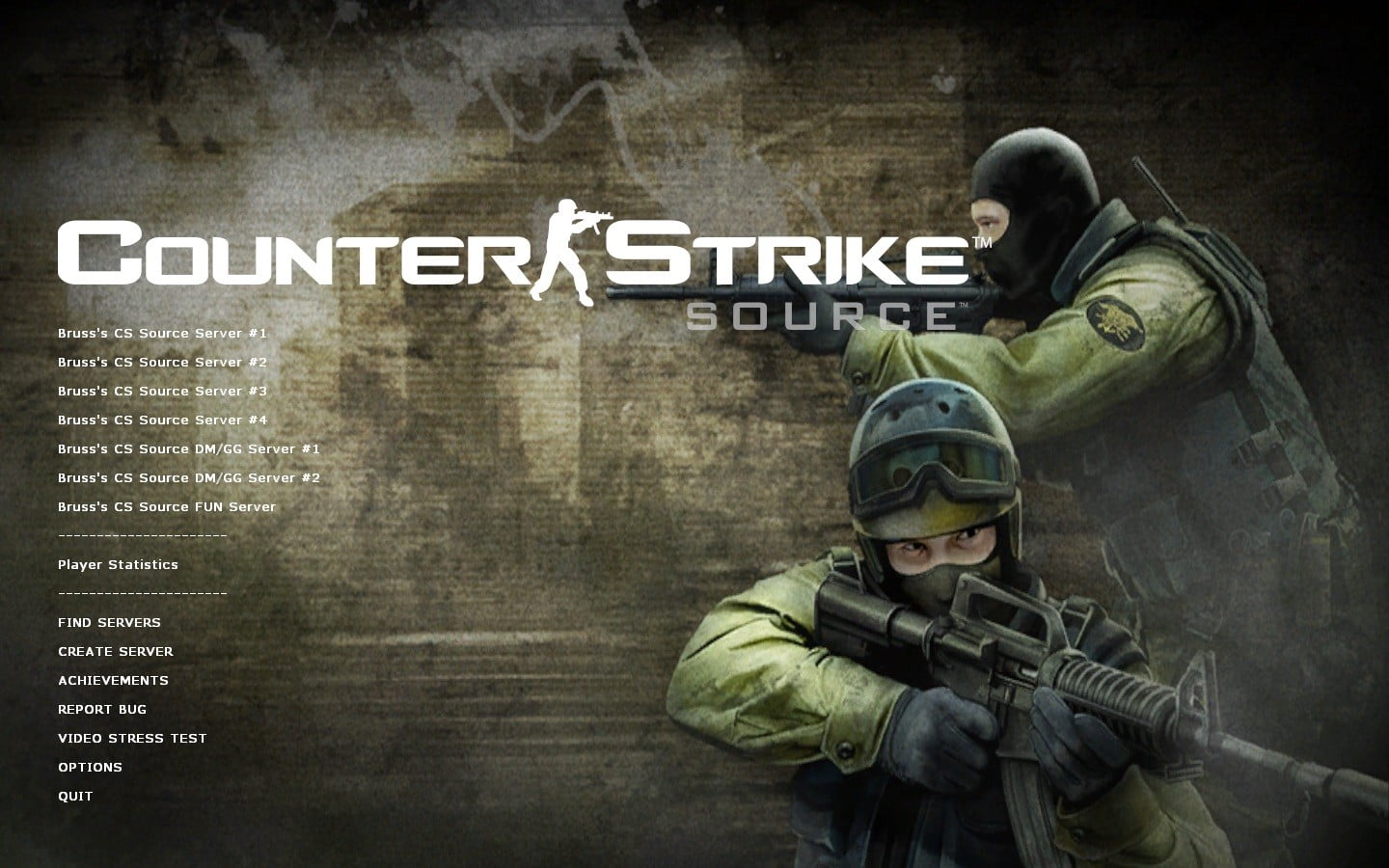
The first-person shooter video game “Counter-Strike” is among the most popular video games in the world.
It’s been around for more than 20 years, first as a hardcopy PC video game, then as one for Xbox. Now in its fourth model– “Counter-Strike: Global Offensive”– the video game is offered for totally free online, and is played by more than 5 million people every month. Much more excellent: in March, it made an average of $3.2 million per day.
“Counter-Strike” comes from a huge market of so-called “freemium” material; a growing market of apps and video games that let you download and play them free of charge, then entice you with premium memberships and other in-app upgrades once you remain in.
In “Counter-Strike’s” case, these purchases are mostly cosmetic “skins”– outfits or paint surfaces for weapons players wield in-game. It’s the exact same story for “Fortnite,” a battle royale-style game that reaped over $20 billion in its very first 4 years through cosmetics alone. Popular video games on the mobile market, like Candy Crush Legend– which saw $1 billion in earnings in 2022– use extra lives and power increases in exchange for cash.
These video games follow in the footsteps of giants outside their industry. YouTube lets paying subscribers enjoy its videos ad-free. The New York City Times, among the few legacy media business that really grew its income last year, administers unrestricted material to paying subscribers; everyone else gets 10 free posts a month. The success of Zoom, DropBox and LinkedIn is further evidence that you do not require to charge an entry cost to make a rewarding item.
Quickly, whatever will be freemium. For gaming companies embracing it, success hinges on a really specific niche: the small portion of users footing the bill for everyone else.
Who’s spending for freemium content?
The majority of people connect with freemium content without paying a dime.
Any time you utilize a service or product for complimentary (chat with pals on a Zoom call, say, or read a story on the New york city Times website) without paying for the extra bells and whistles the company attempts to toss at you (longer video chats; no paywall limits) you’ve got the little minority of individuals who do pay for those upgrades to thank.
Scientist call these individuals “whales.” Gradually smaller spenders are categorized as “dolphins” and “minnows,” and those who do not invest cash are called “remoras” (” suckerfish”) or “barnacles,” depending on their stubbornness toward converting to paid users.
Whales comprise the force of companies’ revenue, states Imam Salehudin, an assistant teacher of economics at the University of Indonesia and co-author of the 2021 study, “No Such Thing as a Free App.”
Salehudin and his research partner, Frank Alpert, an associate teacher of marketing at the University of Queensland, took a close take a look at “Pokémon Go,” a 2016 phenomenon that saw 15 million gamers and over $200 million in profits in its first month.
The app took a brand-new spin on the Pokémon video game franchise, letting gamers walk the real life collecting Charizards and Squirtles in order to gather badges. Gamers can invest cash on extra storage and experience boosters to assist level up their Pokémon fleet.
Even if you were captured in the “Pokémon Go” craze at its start, you most likely didn’t spend money on it. (A follow-up study by Salehudin and Alpert shows that only about 5% of users spend cash on in-app purchases.) However the “Pokémon Go” fans who did spend cash on the game invested a lot of money: According to Salehudin and Alpert, the typical paying “Pokémon Go” user spent a tremendous $267 in July of 2016, the month it debuted.
Today, about 70% of all freemium app earnings comes from simply the leading 10% of spenders, Salehudin states. And while these users are more willing to invest on in-game purchases than many, it’s not due to the fact that they’re rolling in dough.
The biggest spenders, Salehudin states, tend to be the ones who can’t manage their in-app spending, no matter how harmful it may be to their finances. For some, playing (and spending for) video games looks a lot like betting addiction.
Game developers have found it a lot easier to make use of the tendencies of these gamers than to transform stubborn free users. Some have introduced aggressive money making methods, like “totally free” video games that actually can’t be won without making in-app purchases, and algorithms created to make the most of the impulse towards costs, Salehudin states.
Others target susceptible groups, like kids and teens. Roblox, a wildly popular, free-to-play game beloved by its mostly 16-and-under fanbase, made $ 2.2 billion in revenue in 2015 on the back of its in-game currency (” Robux”) and other freemium features.
This is still a legal gray area, however companies both in and outside the video gaming world have dealt with lawsuits for their freemium-style money making methods.
Intuit, which owns the online tax preparer TurboTax, was simply discovered to be purposefully hiding its totally free services, and guiding low-income consumers towards freemium upgrades. It’s now paying a $141 million settlement as an outcome.
“The frustrating pressure for development and success tempt businesses to strongly monetize the model at the expenditure of user wellness and pleasure,” Salehudin says.
What comes next?
Eventually, Salehudin states, the success of freemium games has been a net positive for users– particularly those who don’t want (or can’t afford) to buy an Xbox or other gaming console.
“Freemium eliminates the barrier to participating in playing a video game,” he states.
Still, Salehudin warns users to tread thoroughly when communicating with freemium products. Even if there’s no required buy-in, the business behind them– be they mobile game designers or online tax suppliers– are still attempting to pull as much revenue from you as they can.
Some companies do not need to attempt all that tough. When Valve, the video game developer behind Counter-Strike, revealed the upcoming release of a follow up in March, the game generated record-high income that month. That is, fans invested more money on in-game purchases than they ever had, just in anticipation of a new release.
For Counter-Strike, the freemium design has actually only gotten more profitable with time. As increasingly more brands get wise to its money-making capacity, more and more material will follow the same plan. So long as adequate “whales” keep ponying up for it.