

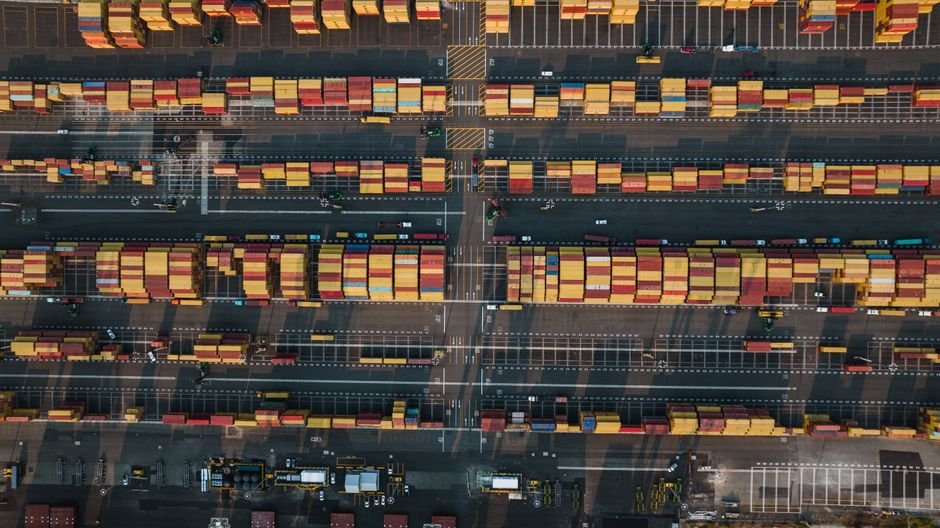
The world has witnessed significant changes in its financial landscapes over recent years, largely influenced by global supply chain challenges. As we navigate through 2026, it becomes increasingly evident that these challenges are not just operational hurdles; they are reshaping financial markets in profound ways. From fluctuating stock prices to rising inflation and shifts in investment strategies, the ripple effects of supply chain disruptions are felt across various financial sectors. Understanding these changes is crucial for investors, policymakers, and businesses alike as they adapt to a new economic reality.
Understanding Supply Chain Disruptions
At the heart of the issue lies the complex web of global supply chains that have been tested by various factors, including pandemics, geopolitical tensions, and natural disasters. These disruptions have led to delays, increased costs, and scarcity of goods, which have far-reaching implications for financial markets. The interconnectedness of economies means that a disturbance in one region can have a cascading effect globally, influencing stock prices, currency values, and commodity markets.
Key Factors Contributing to Supply Chain Challenges
The following factors have played a significant role in exacerbating supply chain disruptions:
- Pandemic Aftermath: The lingering effects of the COVID-19 pandemic continue to disrupt labor markets and manufacturing capabilities.
- Geopolitical Tensions: Ongoing conflicts and trade wars, particularly involving major economies, have led to uncertainty and volatility in supply chains.
- Environmental Challenges: Climate change has resulted in more frequent natural disasters, which can disrupt transportation and production.
- Technological Shifts: The rapid adoption of new technologies has outpaced the ability of some supply chains to adapt, leading to inefficiencies.
Impact on Financial Markets
The financial repercussions of these supply chain challenges are multifaceted. Investors are increasingly wary, and this uncertainty translates into volatility across various asset classes. Here are some notable impacts:
Stock Market Volatility
The stock market has seen increased volatility as investors react to news about supply chain disruptions. Companies heavily reliant on global supply networks are particularly affected, often experiencing sharp declines in stock prices when disruptions are reported. In 2026, industries such as technology, automotive, and consumer goods are at the forefront of this volatility, as they face challenges in sourcing components and materials.
Inflationary Pressures
As supply chain challenges lead to rising costs for raw materials and finished goods, inflation continues to be a pressing concern. The increased cost of goods translates into higher prices for consumers, which can lead to decreased purchasing power and overall economic slowdown. Policymakers are closely monitoring inflation rates, as they have implications for interest rates and monetary policy. In 2026, central banks are grappling with the delicate balance of fostering economic growth while controlling inflation.
Investment Strategies and Shifts
In response to these supply chain challenges, investors are re-evaluating their strategies. Many are shifting their focus toward companies with resilient supply chains or those that have successfully diversified their sourcing options. Additionally, sectors such as technology, which are innovating to mitigate supply chain risks, are attracting more investment. Furthermore, there is a growing interest in sustainable and local sourcing practices as investors recognize the long-term benefits of reducing dependency on global supply chains.
Conclusion
The challenges posed by global supply chains are reshaping the financial markets in significant ways. As we move through 2026, it is clear that understanding these dynamics is essential for navigating investment landscapes and making informed financial decisions. Investors and businesses must remain agile, adapting to the evolving nature of supply chains while considering the broader economic implications. By staying informed and proactive, stakeholders can position themselves to not only survive but thrive amidst the ongoing shifts in global supply chains and the financial markets they influence.