

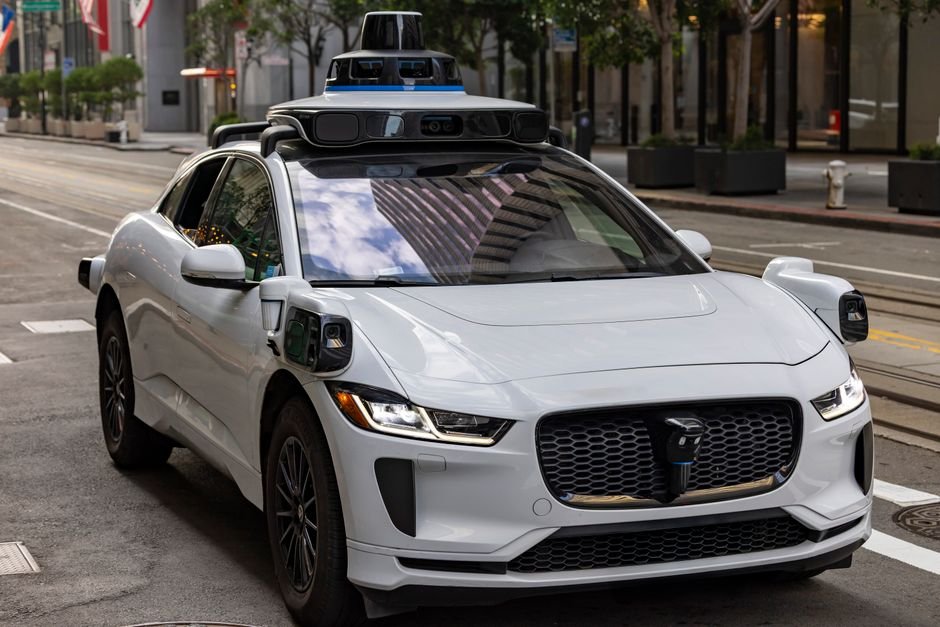
As the automotive industry evolves, the rise of autonomous vehicles is reshaping the landscape of auto insurance. With self-driving cars becoming increasingly common on our roads, understanding the new insurance requirements for these vehicles is essential for both consumers and insurers. This blog post explores the latest regulations, implications for drivers, and how insurance policies are adapting to accommodate the unique challenges posed by autonomous vehicles.
Understanding Autonomous Vehicles
Autonomous vehicles, also known as self-driving cars, utilize advanced technologies such as sensors, cameras, and artificial intelligence to navigate and operate without human intervention. As these vehicles gain popularity, they present a series of questions surrounding liability, safety, and, importantly, insurance. In 2026, the integration of these vehicles into everyday life has prompted lawmakers and insurance companies to rethink the traditional frameworks of auto insurance.
Key Insurance Requirements for Autonomous Vehicles
With the introduction of autonomous vehicles, new insurance requirements have emerged. These requirements aim to address the complexities of liability, risk assessment, and coverage options. Here are some critical aspects of the new insurance landscape:
- Liability Coverage: One of the most significant changes is the shift in liability. In traditional driving, drivers are typically liable for accidents. However, with autonomous vehicles, the responsibility may shift to manufacturers or software developers, depending on the circumstances of an incident.
- Coverage for Cybersecurity: Autonomous vehicles are heavily reliant on technology, making them vulnerable to cyberattacks. Insurers now need to offer policies that cover potential cybersecurity breaches that could lead to accidents or data theft.
- Comprehensive and Collision Coverage: While these types of coverage remain essential, they must adapt to the specific technologies used in autonomous vehicles. This includes coverage for sensors and software malfunctions.
- Regulatory Compliance: Insurers must ensure that their policies comply with new regulations set by state and federal authorities regarding the operation of autonomous vehicles.
The Impact on Consumers
The changes in insurance requirements for autonomous vehicles will directly impact consumers, particularly those who own or plan to purchase self-driving cars. Understanding these impacts can help consumers make informed decisions when it comes to insurance coverage:
Cost Implications
As the insurance landscape evolves, consumers may see changes in premium costs for autonomous vehicle coverage. While technological advancements can lead to reduced accident rates, the initial costs of insurance might be higher due to the complexities involved in assessing risks associated with self-driving cars. Consumers should be prepared to shop around for the best rates and coverage options.
Choosing the Right Coverage
As the market for autonomous vehicles expands, consumers need to be diligent in choosing the right insurance coverage. Here are some tips for selecting appropriate coverage:
- Evaluate the specific features of your autonomous vehicle and ensure your policy covers any unique technological aspects.
- Consider additional coverage options for cybersecurity threats, as these risks are more prominent with self-driving technology.
- Stay informed about changes in regulations that may affect your insurance needs.
The Role of Insurers
Insurers are adapting to the rise of autonomous vehicles by reevaluating their policies and offerings. The evolution of auto insurance in response to self-driving technology includes:
Data Usage and Analytics
Insurers are increasingly utilizing data analytics to assess risks associated with autonomous vehicles. By analyzing data collected from vehicles, including driving behavior and performance metrics, insurers can better understand how to price policies and determine coverage needs. This data-driven approach enables more accurate risk assessment and tailored insurance solutions.
Collaboration with Manufacturers
Insurers are also beginning to collaborate with vehicle manufacturers and technology developers. By working together, they can establish a clearer understanding of the technologies involved in autonomous vehicles and develop policies that reflect these advancements. This cooperation is essential for creating effective insurance products that meet the needs of consumers and address the unique challenges posed by self-driving cars.
Conclusion
The emergence of autonomous vehicles has brought about significant changes in the auto insurance landscape. As we navigate the complexities of this new era, understanding the insurance requirements associated with self-driving cars is crucial for both consumers and insurers. By staying informed about liability issues, coverage options, and regulatory compliance, consumers can make educated decisions regarding their insurance needs. As the technology continues to evolve, so too will the insurance industry, ultimately leading to safer roads and more comprehensive coverage solutions. Embracing this change is essential for adapting to the future of transportation.