

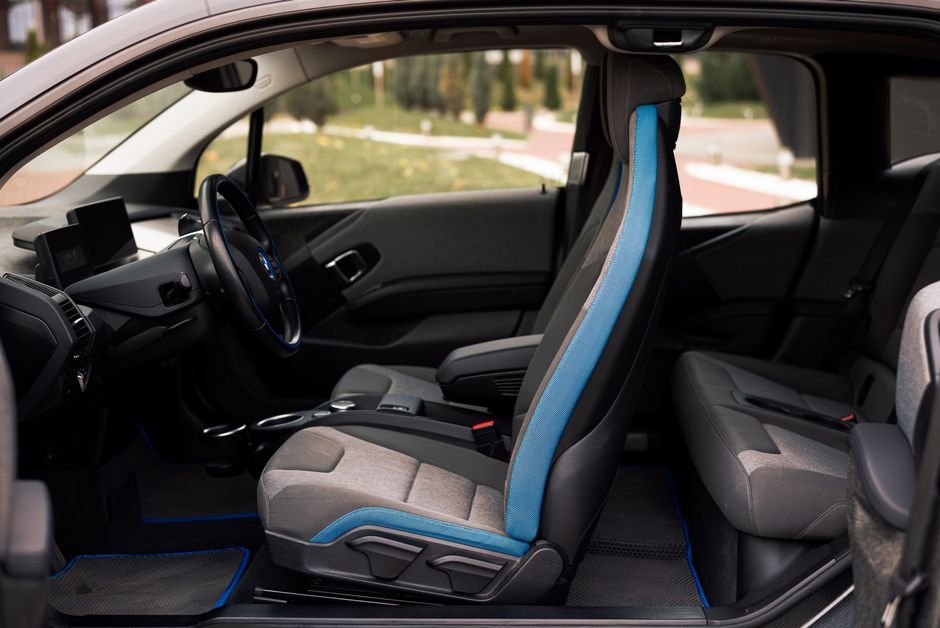
The automotive landscape is undergoing a remarkable transformation as electric vehicles (EVs) gain traction among consumers. With increasing environmental awareness and advancements in technology, more people are making the switch to electric vehicles. However, this rise in EV adoption is influencing various aspects of the automotive industry, particularly auto insurance policies. Understanding how these changes impact insurance coverage, rates, and risk assessments is crucial for consumers and insurers alike.
The Shift in Vehicle Ownership Trends
As electric vehicles become more mainstream, the dynamics of vehicle ownership are changing. The shift from traditional gasoline-powered cars to EVs is not just a matter of preference; it reflects broader concerns about climate change, fuel efficiency, and cost savings. This transition is prompting auto insurance companies to reevaluate their policies and pricing structures.
Understanding the Unique Risks of Electric Vehicles
Electric vehicles present unique risks and advantages that differ from their internal combustion engine counterparts. Insurers are now tasked with understanding these differences to provide accurate coverage and pricing. Some of the unique aspects include:
- Battery technology: The cost of replacing or repairing a battery can be significantly higher than traditional engine repairs, leading to higher insurance premiums.
- Charging infrastructure: The availability of charging stations and the potential for homeowners to install charging units can affect coverage options.
- Safety features: Many EVs come equipped with advanced safety technologies, which can reduce the likelihood of accidents and potentially lower insurance costs.
How Insurance Premiums Are Evolving
As electric vehicles gain popularity, insurance premiums are evolving to reflect their unique characteristics. Insurers are focusing on several factors when determining rates for EV owners. These include:
Cost of Repairs and Replacement
The repair costs associated with electric vehicles can be significantly higher than those for conventional cars, largely due to the complexity of their components. For instance, specialized technicians are needed for repairs, and parts can be more expensive. Consequently, many insurers are adjusting their pricing models to account for these higher repair costs.
Incentives for EV Owners
Recognizing the growing demand for electric vehicles and the environmental benefits they offer, some insurance companies are introducing incentives for EV owners. These may include:
- Discounts for eco-friendly driving habits.
- Reduced premiums for vehicles equipped with advanced safety features.
- Coverage bundles that include incentives for using renewable energy sources for home charging.
Future Trends in Auto Insurance Policies
As the adoption of electric vehicles continues to rise, the auto insurance industry is expected to see further innovations and changes. Insurers are likely to focus on developing more tailored policies that reflect the unique needs of EV owners. Some anticipated trends include:
Usage-Based Insurance Models
With the advent of connected car technology, insurers may begin to offer usage-based insurance policies that monitor driving habits. This data can lead to personalized premiums based on actual driving behavior, which may benefit EV owners who tend to drive more responsibly.
Integration of Renewable Energy Sources
As more EV owners utilize solar panels and other renewable energy sources for charging, insurers may begin to incorporate these elements into their policies. Coverage could extend to solar panel systems and even offer incentives for homeowners who utilize green energy.
Conclusion
The rise of electric vehicles is undeniably reshaping the auto insurance landscape. As more consumers make the switch to EVs, insurers must adapt their policies to account for the unique risks and benefits associated with these vehicles. By understanding the evolving dynamics of the auto insurance industry, consumers can make informed decisions about their coverage options while taking advantage of potential savings and incentives. As we move forward, the intersection of electric vehicle adoption and auto insurance will continue to evolve, making it crucial for both consumers and insurers to stay informed and prepared for the future.