

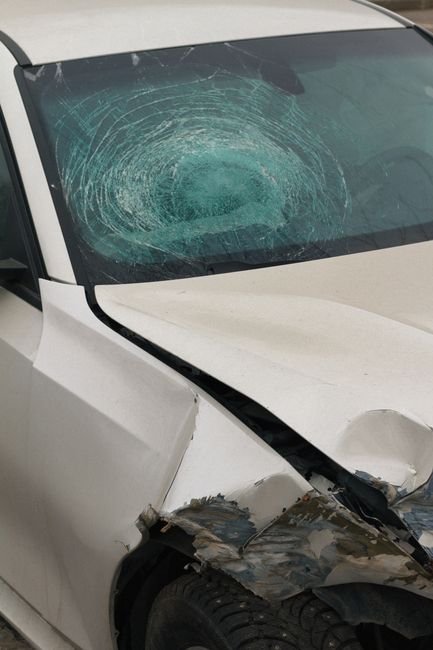
In recent years, the automotive industry has undergone significant transformations, particularly in the realm of vehicle safety. With advancements in technology and increased regulatory scrutiny, safety ratings have become more comprehensive and influential. For consumers, understanding how these changes affect auto insurance premiums is crucial for making informed decisions regarding their vehicles and coverage. This blog post will delve into the relationship between recent changes in vehicle safety ratings and their impact on auto insurance costs, providing valuable insights for drivers in 2026.
Understanding Vehicle Safety Ratings
Vehicle safety ratings are assessments provided by organizations such as the National Highway Traffic Safety Administration (NHTSA) and the Insurance Institute for Highway Safety (IIHS). These ratings evaluate a vehicle’s crashworthiness, safety features, and overall protection for occupants during an accident. With the rise of new technologies like advanced driver-assistance systems (ADAS) and automated safety measures, the criteria for these ratings have evolved, making them a critical factor for both consumers and insurers.
The Role of Safety Ratings in Auto Insurance
Insurance companies assess risk to determine premiums, and vehicle safety ratings play a significant role in this evaluation. A car with higher safety ratings is generally considered less risky to insure. This relationship can lead to lower premiums, making it essential for drivers to understand how safety ratings influence their insurance costs.
Recent Changes in Safety Ratings
As of 2026, several notable changes have been implemented in the safety rating system that can affect your auto insurance premiums:
- Increased Emphasis on Advanced Safety Features: Vehicles equipped with technologies such as automatic emergency braking, lane-keeping assist, and adaptive cruise control are rated more favorably. These features significantly reduce the likelihood of accidents, which insurers recognize when setting premiums.
- More Rigorous Testing Procedures: Recent updates have led to stricter testing protocols that better simulate real-world crash scenarios. This means that vehicles are now rated based on more realistic performance metrics, influencing both consumer choice and insurance assessments.
- Integration of New Technologies: The inclusion of ratings for vehicle-to-vehicle and vehicle-to-infrastructure communication technologies reflects the industry’s shift towards connected vehicles. Insurers are beginning to understand how these innovations can enhance safety and reduce claims.
The Impact on Insurance Premiums
With these recent changes, the implications for auto insurance premiums are profound. Here are several ways in which safety ratings affect your insurance costs:
- Discounts for High Ratings: Insurers often provide discounts for vehicles that achieve top safety ratings. This means that investing in a car with a high safety score can result in long-term savings on insurance premiums.
- Risk Assessment: Vehicles with lower safety ratings may be deemed high-risk vehicles by insurers, resulting in higher premiums. Choosing a vehicle with superior safety features can help mitigate these costs.
- Claims History: Higher safety ratings typically correlate with fewer claims filed. Insurers take this into account when determining rates, often rewarding drivers with lower premiums for choosing safer vehicles.
How to Use Safety Ratings to Your Advantage
When shopping for a new vehicle or considering changes to your insurance policy, there are several strategies you can employ to take full advantage of safety ratings:
- Research Ratings: Before purchasing a vehicle, consult the latest safety ratings from NHTSA and IIHS to ensure you are making an informed decision.
- Discuss Discounts with Insurers: When negotiating your insurance policy, inquire about potential discounts for vehicles with high safety ratings. Not all insurers advertise these discounts prominently.
- Stay Updated: As safety ratings and technology continue to evolve, staying informed can help you make choices that not only enhance your safety on the road but also save you money on insurance premiums.
Conclusion
In 2026, the interplay between vehicle safety ratings and auto insurance premiums is more significant than ever. With advancements in technology and updated testing protocols, drivers have the opportunity to leverage safety ratings to secure lower insurance costs. By understanding the importance of these ratings and actively researching your vehicle options, you can make informed decisions that benefit both your safety and your wallet. As the automotive landscape continues to evolve, staying educated on these changes will empower you as a consumer, ensuring you are always getting the best value for your auto insurance.