

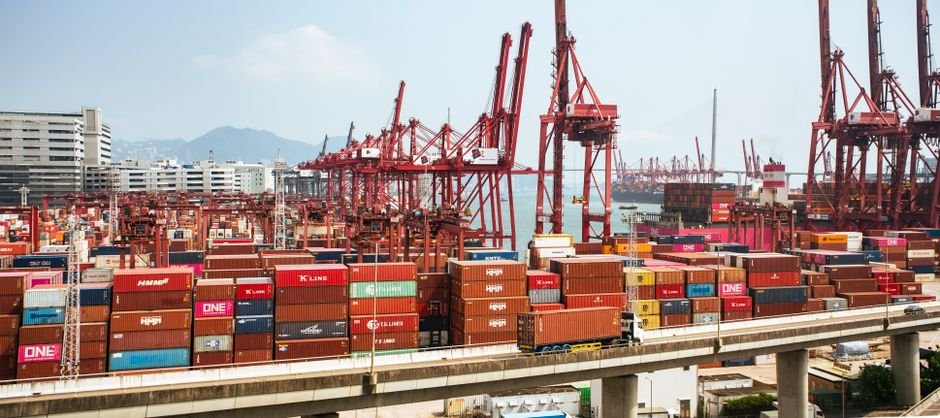
In an increasingly interconnected world, the dynamics of global trade are shifting at an unprecedented pace. The effects of these shifts are being felt across local economies, influencing everything from employment rates to consumer behavior. Understanding how global trade changes impact local economies is crucial for businesses, policymakers, and citizens alike. As we analyze these effects, it becomes clear that the intricate web of international commerce plays a significant role in shaping the financial landscape of communities worldwide.
The Current Landscape of Global Trade
In recent years, global trade has undergone significant transformations. Factors such as technological advancements, geopolitical tensions, and evolving consumer preferences have all contributed to changes in how goods and services are exchanged. In 2026, we see a clearer picture of these shifts:
- Technological Innovation: The rise of e-commerce and digital platforms has made it easier for local businesses to access international markets.
- Supply Chain Disruptions: Events such as the pandemic have highlighted vulnerabilities in global supply chains, leading businesses to rethink their strategies.
- Trade Agreements: New trade agreements and tariffs have been established, affecting the flow of goods and services between nations.
Impact on Local Economies
The effects of global trade shifts are not uniform; they can vary significantly from one locality to another. Here are some of the key impacts observed in 2026:
Employment Opportunities
One of the most immediate effects of changes in global trade is on employment. As companies adapt to new market conditions, the demand for certain skills may rise or fall. For instance:
- Increased demand for tech-savvy workers as businesses invest in digital transformation.
- Declines in traditional manufacturing jobs due to automation and outsourcing.
- Emergence of new industries, such as renewable energy, in response to global sustainability initiatives.
Consumer Choices and Behavior
Global trade shifts also influence consumer behavior. As new products flood the market, consumers have a wider array of choices than ever before. In 2026, we see:
- Increased interest in sustainable and ethically sourced products, driven by global awareness of climate change.
- Greater competition among local businesses, pushing them to innovate and improve quality.
- Changes in pricing structures, where consumers may benefit from lower prices due to imported goods.
Local Business Adaptation
Local businesses are often at the forefront of responding to global trade shifts. Their ability to adapt can determine their survival and growth. Key adaptations include:
- Diversifying product offerings to meet new consumer demands.
- Utilizing technology to enhance operational efficiency and reach a broader audience.
- Forming partnerships with international suppliers to strengthen their supply chains.
Policy Implications
As local economies navigate the complexities of global trade, policymakers have a crucial role to play. Developing strategies that support local businesses while promoting international trade is essential. In 2026, some effective policy measures include:
- Investing in workforce development programs to equip workers with skills needed for emerging industries.
- Creating incentives for businesses to innovate and adopt sustainable practices.
- Enhancing infrastructure to facilitate smoother trade logistics and connectivity.
Conclusion
The effects of global trade shifts on local economies are multifaceted and profound. As we move through 2026, it is evident that businesses and policymakers must closely monitor these changes to foster resilience and growth in their communities. By understanding the current landscape and adapting to new realities, local economies can thrive in an ever-evolving global marketplace. Embracing innovation, supporting workforce development, and fostering international partnerships will be key to navigating the complexities of global trade in the years to come.